Industry Projects
Mechanical Projects Oil & Gas Equipment
Wedge Gate Valve
Internship Program-Project Program-Product Dev, Program

APM WINMACHINE APM CIVIL APM FEM

UNIT I
Four Exmples from Text Book will be given trainingOn software listed For the program Four problem will be given for self training with software to Trainee
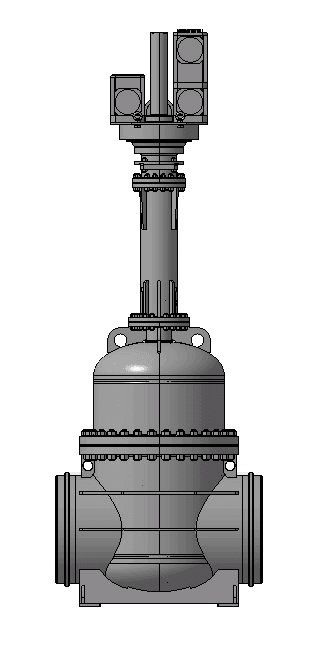
Wedge gate valve
Employees of the APM R&D Center calculated the seismic resistance of the wedge gate valve.
The calculation was carried out using the APM StructFEM complex, which is part of the APM WinMachine computer-aided calculation and design system for mechanical equipment and structures.
The calculation of the wedge gate valve was carried out by order of Ust-Kamenogorsk Valve Plant JSC.
The justification of strength was carried out in accordance with:
GOST 30546.1-98. General requirements for machines, devices and other technical products and methods for calculating their complex structures in terms of seismic resistance.SNiP II-7-81* Construction in seismic areas.
UNIT IV
Four Exmples from Text Book will be given trainingOn software listed For the program Four problem will be given for self training with software to Trainee
he horizontal acceleration value is determined on the basis of:
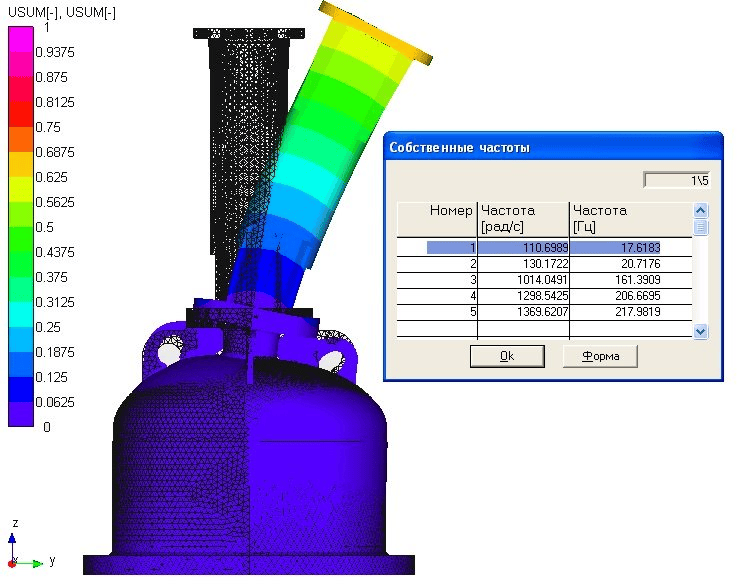
values of the first natural frequency;relative damping equal to 2% (GOST 30546.1-98).
Taking into account your own weight is implemented by entering the own weight multiplier.
To meet the requirements of SNiP II-7-81 for load combination factors, a system of decomposition of all force factors into separate Load Cases is used (Load Load is an analogue of a layer in which only force factors can lie).
UNIT II
Four Exmples from Text Book will be given trainingOn software listed For the program Four problem will be given for self training with software to Trainee
Calculation
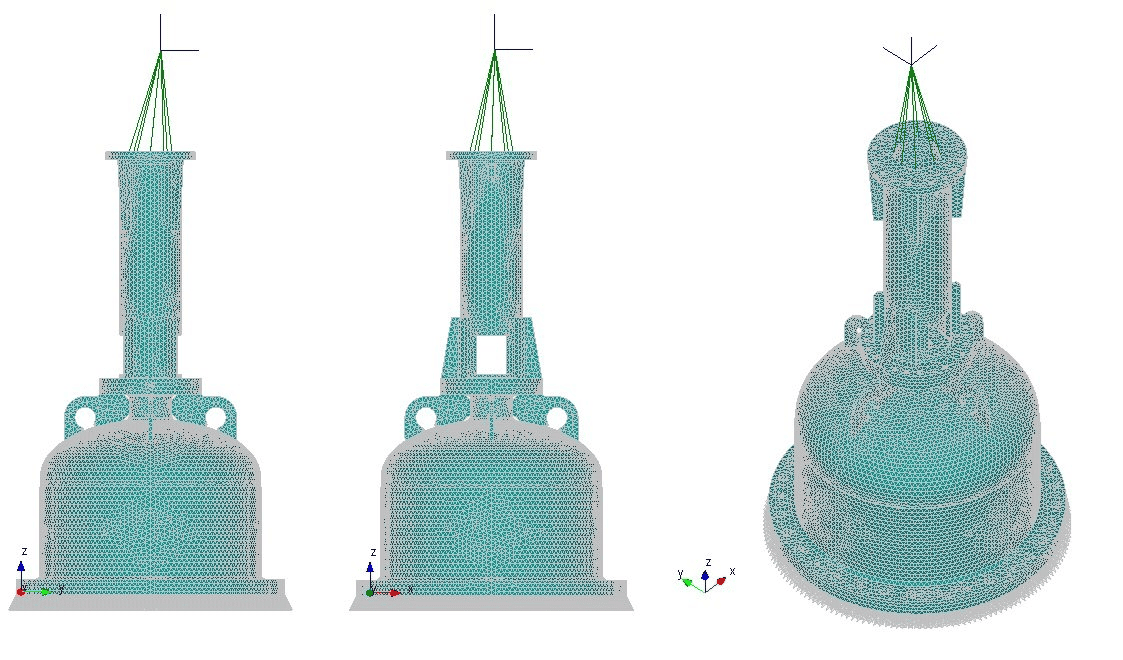
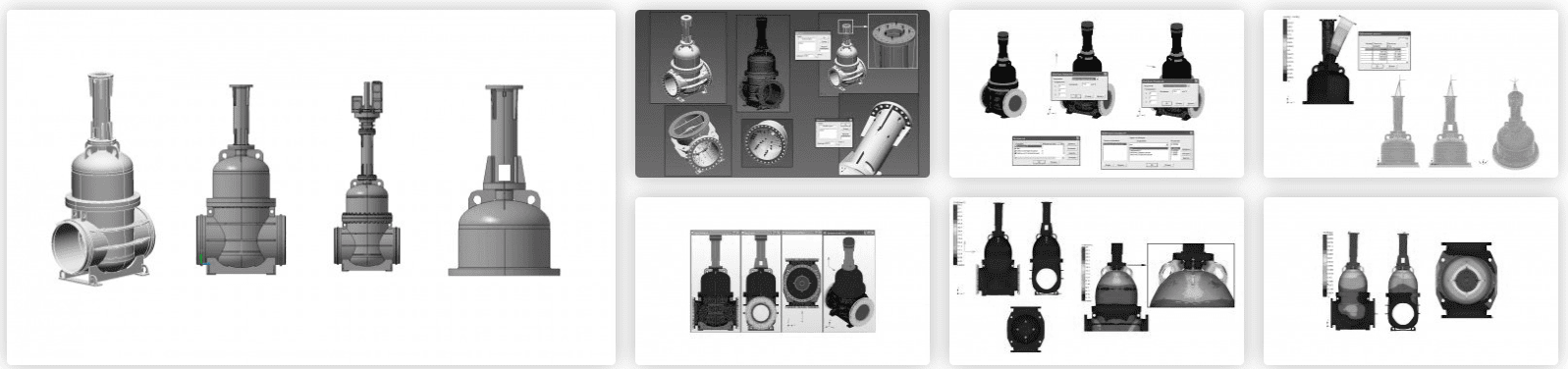
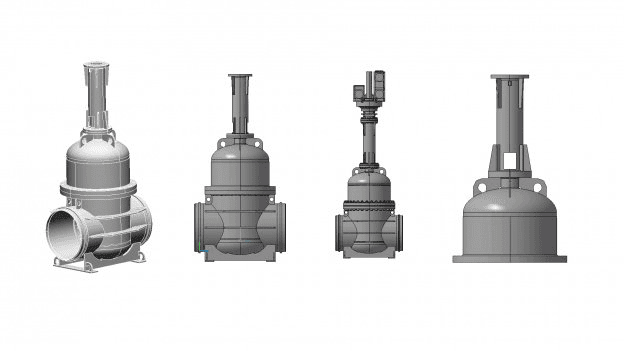
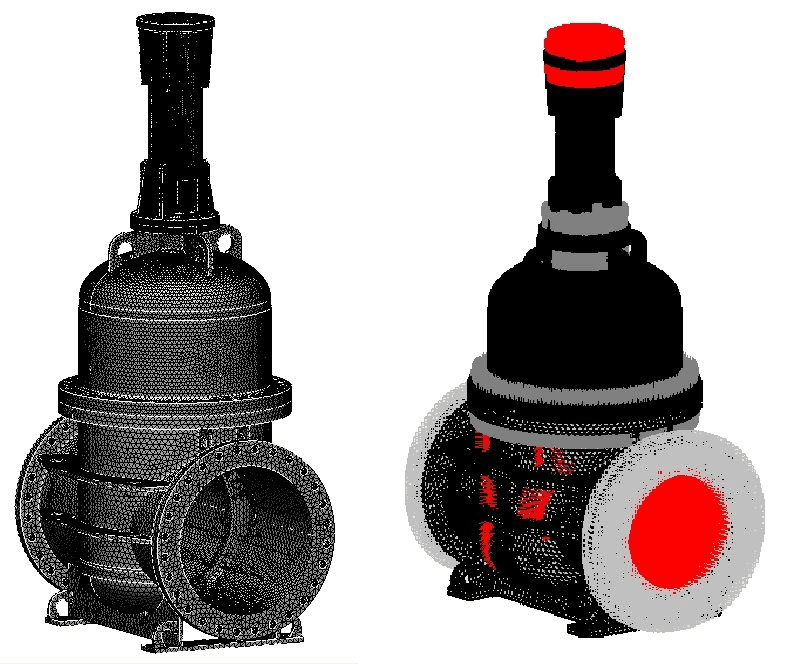
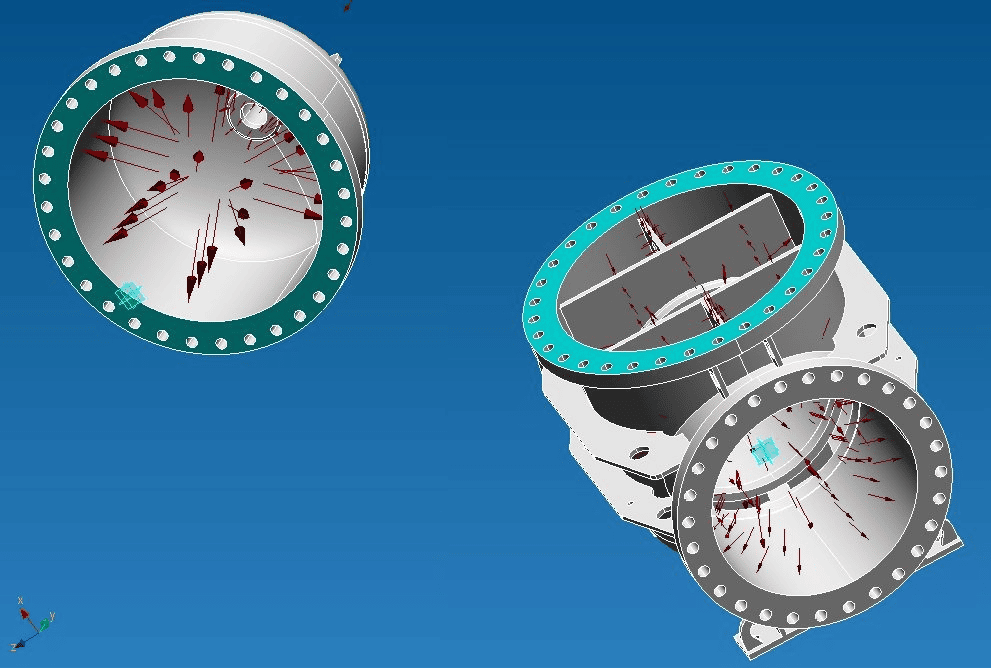
Three-dimensional models provided by the Customer are assembly units, which include parts and subassemblies. However, the direct use of assemblies as initial data for building a computational model is not possible, since the need to take into account the contact zones between all bounding elements would take a huge amount of time and lead to a significant increase in the dimensionality of the problems.
In this regard, the Contractor decided to modify the original three-dimensional geometry in order to reduce the number of elements included in the assembly. For example, in the model of the hull cover, by means of a boolean operation, the bottom with the shell is combined into a single part through common welds.
In addition, elements that are not of interest from the point of view of the load-bearing capacity of the structure are excluded from the calculation model. For example, the models of studs, nuts and washers at the junction of the housing cover and the rack are replaced with a rigid contact between the surfaces of the flanges of the rack and the cover. Such a replacement is absolutely justified, since it is implied that the bolted connection is designed in such a way as to exclude the opening of the joint and the cutting of the studs.
It was also decided to exclude the central electric drive (ECC) from the calculation model and replace it, depending on the calculation, with an appropriate load or concentrated mass.
UNIT III
Four Exmples from Text Book will be given trainingOn software listed For the program Four problem will be given for self training with software to Trainee
In addition, the wedge, spindle and their accompanying sealing elements are excluded from the calculation model, which are replaced by the corresponding force transmitted from the yoke assembly through the upper flange of the rack.
Ultimately, three-dimensional assemblies are modified into assembly units consisting of three parts: a case, a cover, and a case.
An individual model is also implemented to determine the natural frequencies of the structure. Its feature is that the body is excluded from it. This is fully justified, since the case has a significantly higher rigidity than racks and covers. Therefore, the appearance of the first natural frequencies should be expected on the rack-cover bundle. In addition, to speed up the calculation process, the cover and the post are combined into a single part along the contact surface between the flanges using Boolean operation.
Next, the model was transferred to the APM Studio module, where the supports of the lower face of the flange of the housing, which comes into contact with the housing, were modeled, and a network of finite elements was built.