Physics
Overview of physics
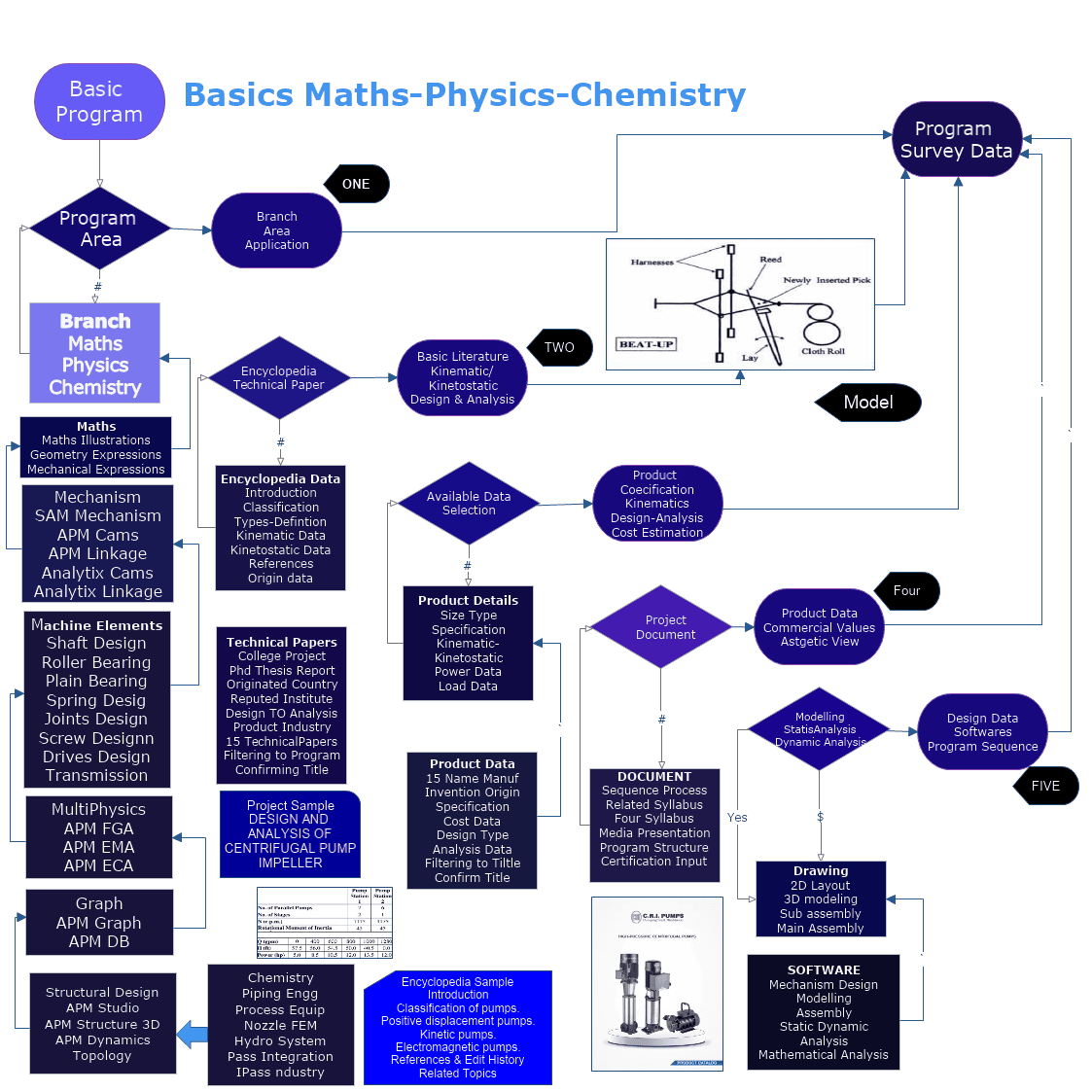
Women Graduates are trained with basics in Industry application from basic science Mathematics, Physics, Chemistry
Training in application Software by Industry Professional, to train others with preparation as TRAINER to empower.
Empowering areas are ACADEMIC SERVICE-ENTREPRENEURSHIP-DESIGN SERVICE-INDUSTRIES-SOCIAL ENGINEERING
Multi Physics
Simulation of Physical Processes
APM WinMachine, Multiphysics - Simulation of Physical Processes

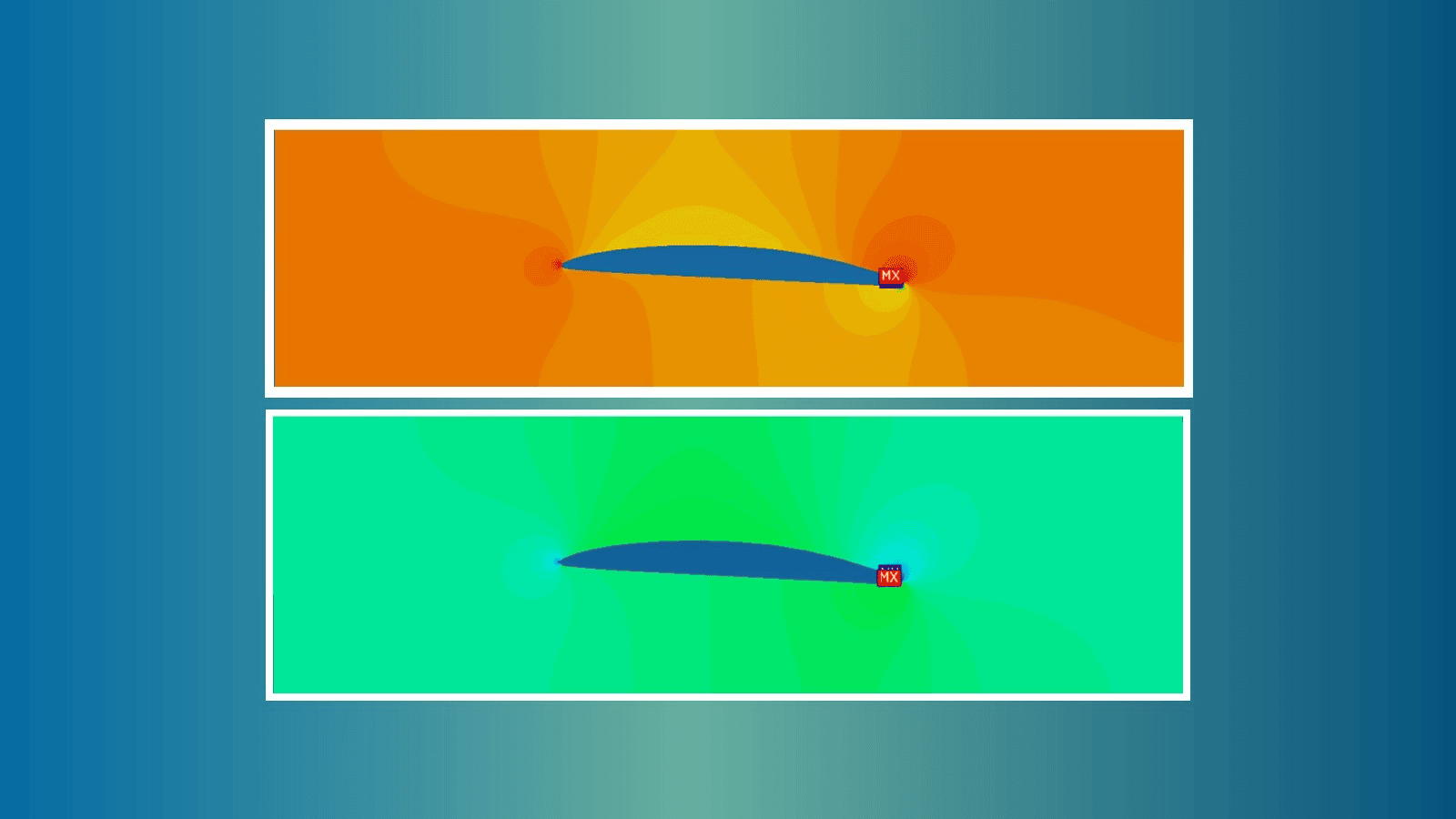
The FGA option is designed to analyze the kinematic, dynamic, thermal, energetic and force characteristics of liquid and gas flows, as well as to quantitatively and qualitatively assess their impact in the design of a number of engineering facilities, such as:
- hydraulic and pneumatic equipment for various purposes, automatic control systems in which liquid or gas act as working media;
- heating, cooling and ventilation systems in which liquid or gas acts as heat transfer fluids;
- objects that are affected by wind flows.
APM WINMACHINE

he APM WinMachine software product, Multiphysics package (formerly APM Multiphysics) allows the user to solve various multiphysics problems for a more accurate assessment of the combined effect of processes of different physical nature on the object of calculation. This approach is undoubtedly necessary in the design of modern innovative equipment, which is subject to more and more stringent requirements.
The Multiphysics package includes finite element analysis tools for strength analysis, modules for engineering analysis of individual machine parts and assemblies, and specialized calculation modules for the analysis of multiphysics processes.
At the same time, the necessary interrelations are implemented in the product, which make it possible to perform complex calculations, for example, the analysis of the stress-strain state (SSS) taking into account the results of the calculation of thermal conductivity, as well as the analysis of SSS taking into account the flow of liquid or gas flows around the structure, etc.
The Multiphysics package includes all additional calculation options by default:
License Cost
The price list of software product licenses is provided upon written request to the official e-mail address of com@apm.ru. The cost depends on the license type and license key option, as well as the configuration and bundling, if any.
UNIT I
our Exmples from Text Book will be given trainingOn software listed For the program our problem will be given for self training with software to Trainee
Analysis of potential flows makes it possible to calculate the pressure and velocity fields of ideal flows (incompressible, isothermal, non-viscous).
The analysis of flow filtration in stationary and non-stationary formulations makes it possible to calculate the fields of pressures and velocities of flows through an orthotropic porous medium.
Navier-Stokes flow analysis can be used to calculate the fields of kinematic, dynamic, thermal, energy characteristics of internal/external low-compressible flows in stationary laminar/turbulent isothermal/thermal setups.e
UNIT II
Four Exmples from Text Book will be given trainingOn software listed For the program our problem will be given for self training with software to Trainee
- Analysis of potential currents
used to calculate pressure fields and velocities of ideal currents
- EMA: Calculation of electromagnetic fields (in development).
The calculation modules of the product are divided into five thematic groups:
- Graphical tools (2D and 3D preprocessor for preparing geometry for calculations);
- Machine parts and connections (calculations of typical parts of machines, mechanisms, as well as units of their connections);
- Finite element analysis (analysis of strength, stability, intrinsic and forced dynamics of structures under static and dynamic force and temperature influences);
- Modeling of physical processes (analysis of fluid and gas flows, calculation of electromagnetic fields, calculation of electrical circuits);
- Databases (arrays of reference information in text and graphic forms on material parameters, standard cross-sections of rolled metal, etc.).
The software product APM WinMachine, Multiphysics configuration is registered in the Register of Russian Computer Programs and Databases.
The computational core of the APM WinMachine product, Multiphysics configuration – the APM Structure3D module – has a software certification passport issued by ROSTEKHNADZOR, FBU "SEC NRS".

A Russian CAE system for computer-aided calculation and design of mechanical equipment and structures in the field of mechanical engineering, developed taking into account the latest achievements in computational mathematics, the field of numerical methods and programming, as well as theoretical and experimental engineering solutions.
A distinctive feature of APM WinMachine is the vertically integrated structure of the product layout, which allows developers to organize seamless links between calculation modules to solve complex production problems.
FUNIT III
our Exmples from Text Book will be given trainingOn software listed For the program our problem will be given for self training with software to Trainee
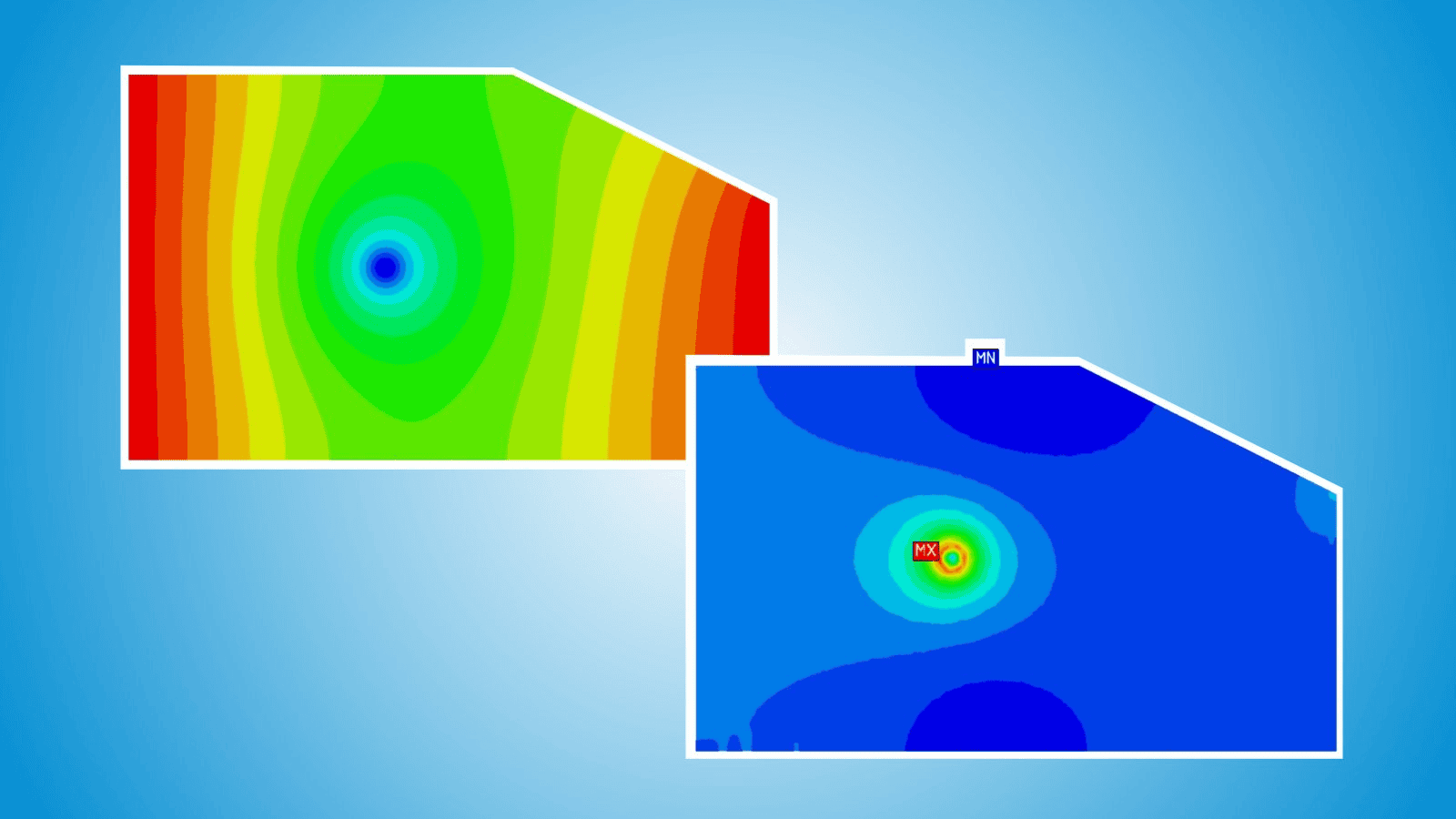
it is used to calculate pressure fields and flow velocities through orthotropic porous media; Implemented in stationary and non-stationary productions
UNIT IV
Four Exmples from Text Book will be given trainingOn software listed For the program our problem will be given for self training with software to Trainee
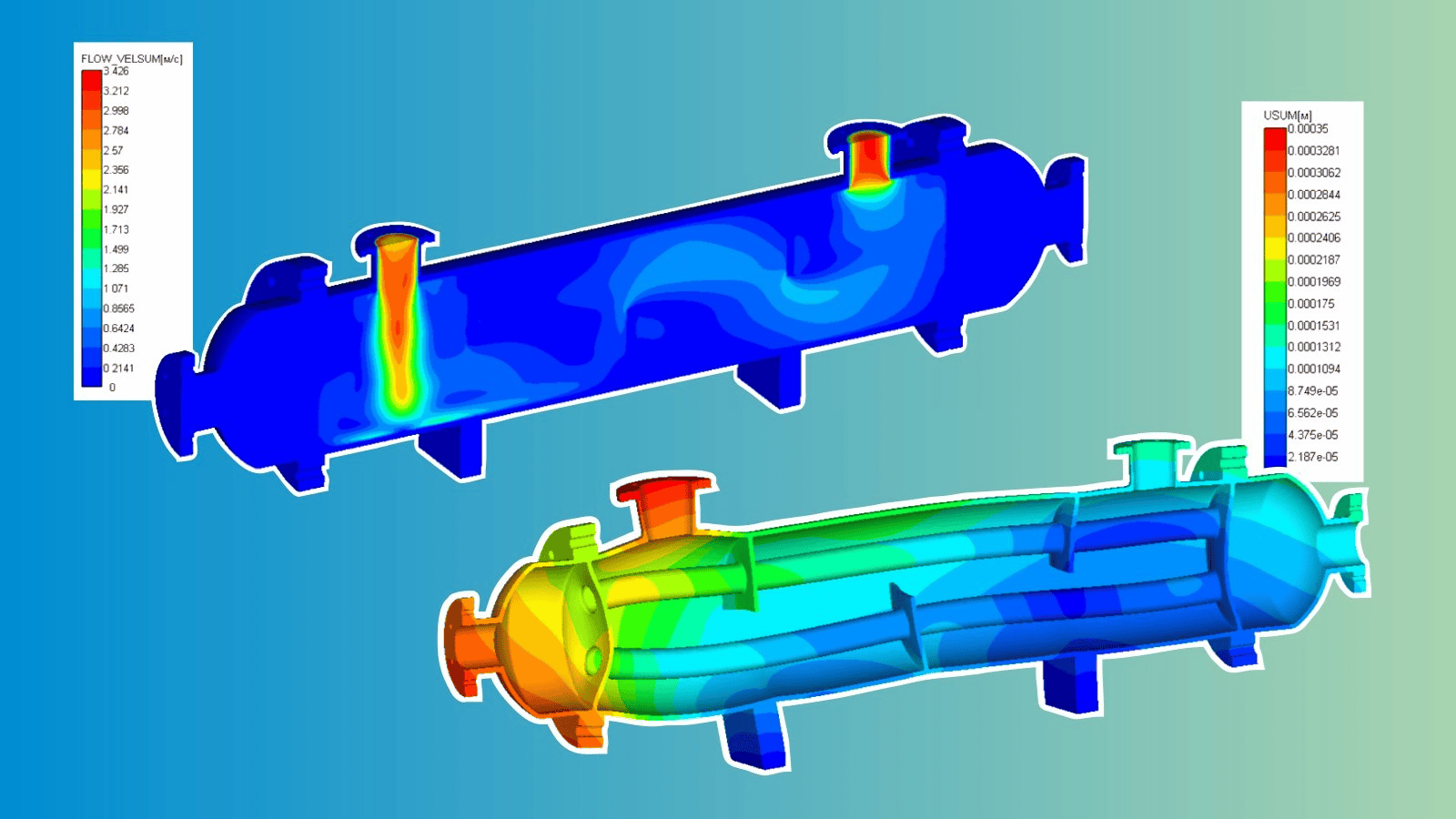
It is used to calculate the fields of kinematic, dynamic, thermal, energy characteristics of internal/external low-compressible flows in statiary laminar/turbulent isothermal/thermal formulations
Multi Physics
Simulation of Physical Processes
APM WinMachine, Multiphysics - Simulation of Physical Processes

The EMA option is designed for the analysis of electrostatic, magnetostatic, as well as electromagnetic low-frequency and high-frequency processes. The need for these types of calculations arises in the tasks of design, analysis and diagnostics of electronic and electrical equipment, as well as communication equipment.
Calculations are performed for stationary and non-stationary modes.
The main purpose of the option is to increase the efficiency of the design of electrical facilities, antenna devices and communication equipment by automating engineering calculations.
APM WINMACHINE
he APM WinMachine software product, Multiphysics package (formerly APM Multiphysics) allows the user to solve various multiphysics problems for a more accurate assessment of the combined effect of processes of different physical nature on the object of calculation. This approach is undoubtedly necessary in the design of modern innovative equipment, which is subject to more and more stringent requirements.
The Multiphysics package includes finite element analysis tools for strength analysis, modules for engineering analysis of individual machine parts and assemblies, and specialized calculation modules for the analysis of multiphysics processes.
At the same time, the necessary interrelations are implemented in the product, which make it possible to perform complex calculations, for example, the analysis of the stress-strain state (SSS) taking into account the results of the calculation of thermal conductivity, as well as the analysis of SSS taking into account the flow of liquid or gas flows around the structure, etc.
The Multiphysics package includes all additional calculation options by default:
License Cost
The price list of software product licenses is provided upon written request to the official e-mail address of com@apm.ru. The cost depends on the license type and license key option, as well as the configuration and bundling, if any.
UNIT I
our Exmples from Text Book will be given trainingOn software listed For the program our problem will be given for self training with software to Trainee
EMA's electrodynamic equation systems functionality includes a wide range of tools designed to prepare models that are the subject of analysis:
- Electrostatics
- DC Field
- Magnetostatics
- Unsteady electromagnetic field (low-frequency region)
- Electromagnetic waves and their emission (high-frequency region)
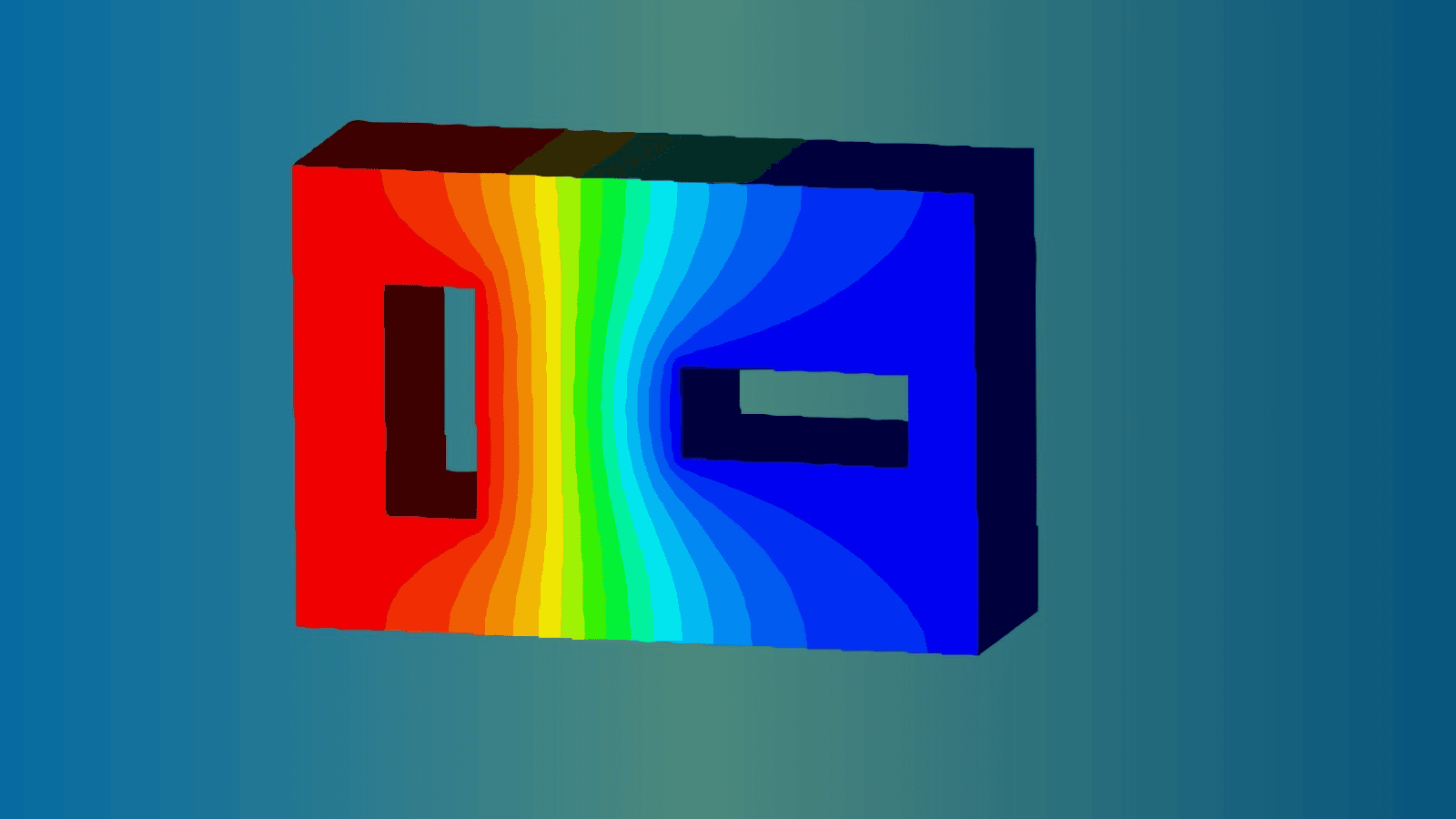
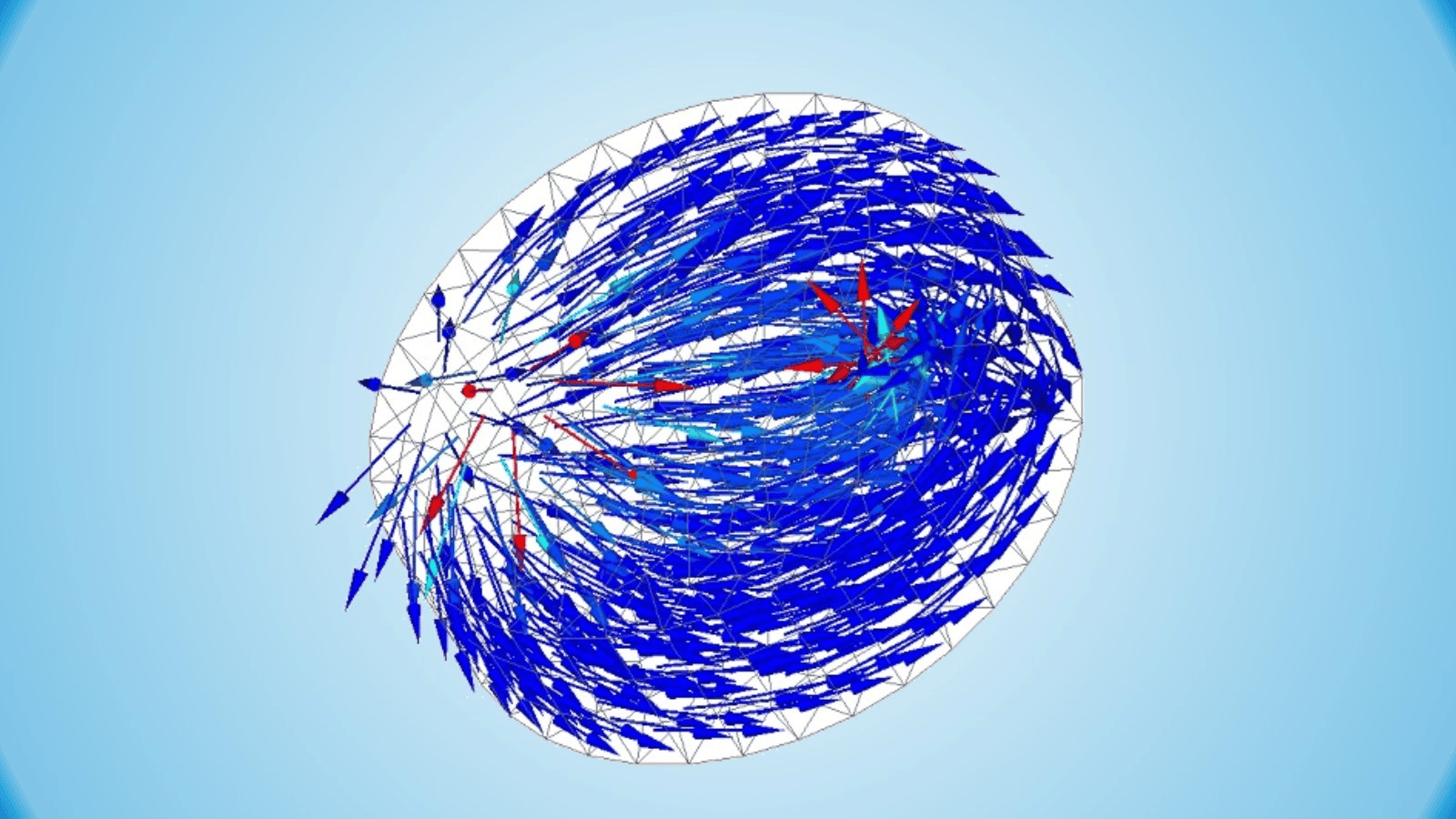
Problems of this class make it possible to calculate the characteristics of stationary electric fields in dielectric
- EMA: Calculation of electromagnetic fields (in development).
The calculation modules of the product are divided into five thematic groups:
- Graphical tools (2D and 3D preprocessor for preparing geometry for calculations);
- Machine parts and connections (calculations of typical parts of machines, mechanisms, as well as units of their connections);
- Finite element analysis (analysis of strength, stability, intrinsic and forced dynamics of structures under static and dynamic force and temperature influences);
- Modeling of physical processes (analysis of fluid and gas flows, calculation of electromagnetic fields, calculation of electrical circuits);
- Databases (arrays of reference information in text and graphic forms on material parameters, standard cross-sections of rolled metal, etc.).
The software product APM WinMachine, Multiphysics configuration is registered in the Register of Russian Computer Programs and Databases.
The computational core of the APM WinMachine product, Multiphysics configuration – the APM Structure3D module – has a software certification passport issued by ROSTEKHNADZOR, FBU "SEC NRS".

A Russian CAE system for computer-aided calculation and design of mechanical equipment and structures in the field of mechanical engineering, developed taking into account the latest achievements in computational mathematics, the field of numerical methods and programming, as well as theoretical and experimental engineering solutions.
A distinctive feature of APM WinMachine is the vertically integrated structure of the product layout, which allows developers to organize seamless links between calculation modules to solve complex production problems.
UNIT III
our Exmples from Text Book will be given trainingOn software listed For the program our problem will be given for self training with software to Trainee
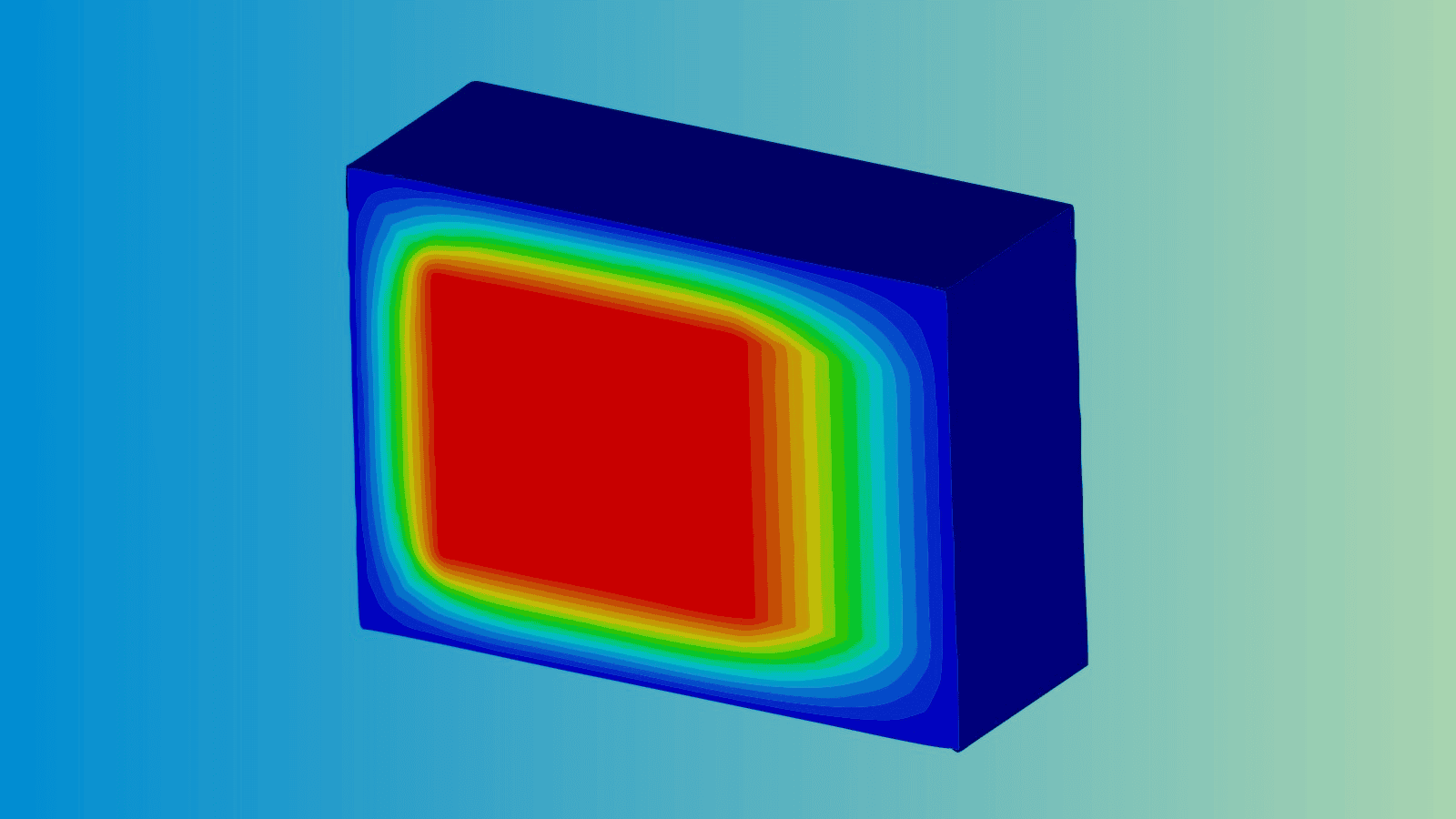
Problems of this class make it possible to calculate the characteristics of stationary magnetic fields in conductors with current, ferromagnetic media and vacuum
UNIT IV
Four Exmples from Text Book will be given trainingOn software listed For the program our problem will be given for self training with software to Trainee
(low-frequency region)
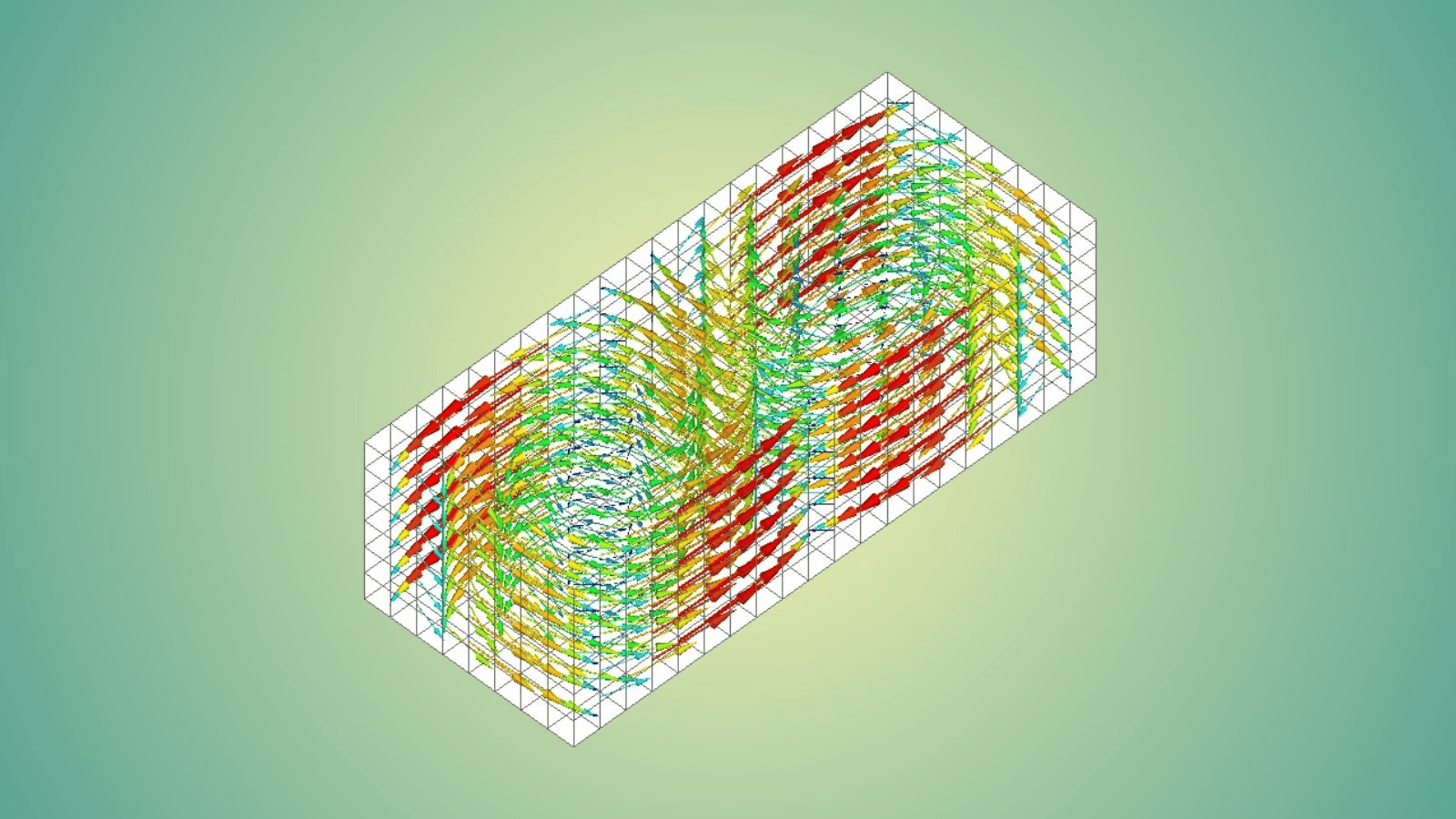
Problems of this class make it possible to calculate the characteristics of non-stationary electromagnetic magnetic fields in conductors with current, ferromagnetic media and vacuum

(high-frequency region)
The tasks of this class make it possible to calculate the natural frequencies and shapes of non-stationary electromagnetic magnetic fields of high frequency in various media
Multi Physics
Simulation of Physical Processes
APM WinMachine, Multiphysics - Simulation of Physical Processes

Design and analysis of dynamic systems
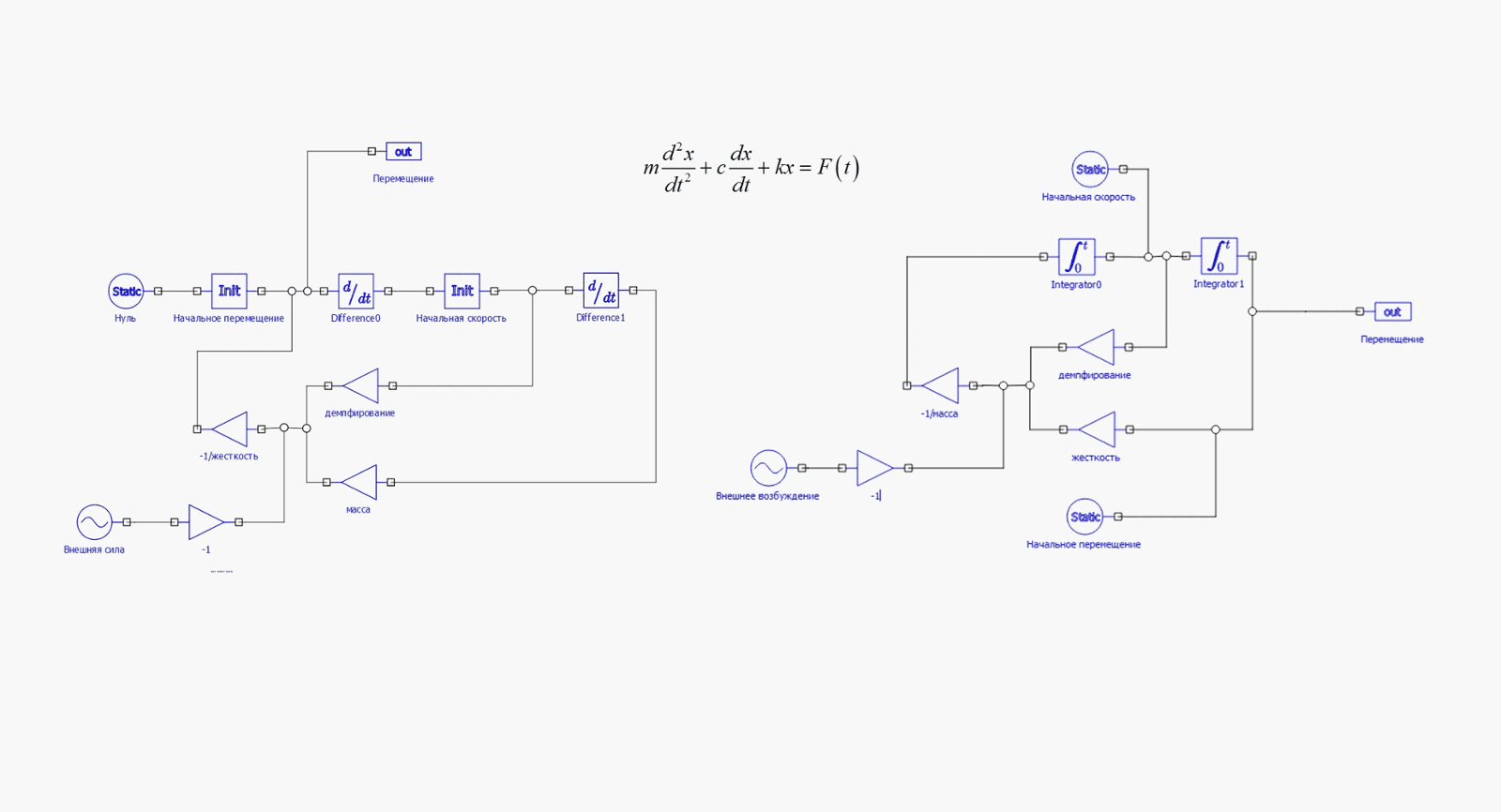
The representation of physical and information processes occurring in technical systems in the form of a sequence of interconnected blocks can be considered one of the most convenient in practical terms.
Such network systems are one of the most commonly used representations of control systems, analog and digital signal processing, economic supply and consumption systems, etc.
Representation of the system under study in the form of blocks connected by directed or non-directed connections makes it possible to present in a convenient form the system of equations describing it and, in addition, to additionally take into account structural relationships, which provides additional information necessary for an effective solution.
Network models of dynamical systems make it possible to describe the change in time of a certain set of scalar quantities tied to the relationships between elemental ones.User Manual - ECA
Calculation of Electrical Circuits of Arbitrary Topology
APM WINMACHINE
he APM WinMachine software product, Multiphysics package (formerly APM Multiphysics) allows the user to solve various multiphysics problems for a more accurate assessment of the combined effect of processes of different physical nature on the object of calculation. This approach is undoubtedly necessary in the design of modern innovative equipment, which is subject to more and more stringent requirements.
The Multiphysics package includes finite element analysis tools for strength analysis, modules for engineering analysis of individual machine parts and assemblies, and specialized calculation modules for the analysis of multiphysics processes.
At the same time, the necessary interrelations are implemented in the product, which make it possible to perform complex calculations, for example, the analysis of the stress-strain state (SSS) taking into account the results of the calculation of thermal conductivity, as well as the analysis of SSS taking into account the flow of liquid or gas flows around the structure, etc.
The Multiphysics package includes all additional calculation options by default:
License Cost
The price list of software product licenses is provided upon written request to the official e-mail address of com@apm.ru. The cost depends on the license type and license key option, as well as the configuration and bundling, if any.
UNIT I
our Exmples from Text Book will be given trainingOn software listed For the program our problem will be given for self training with software to Trainee
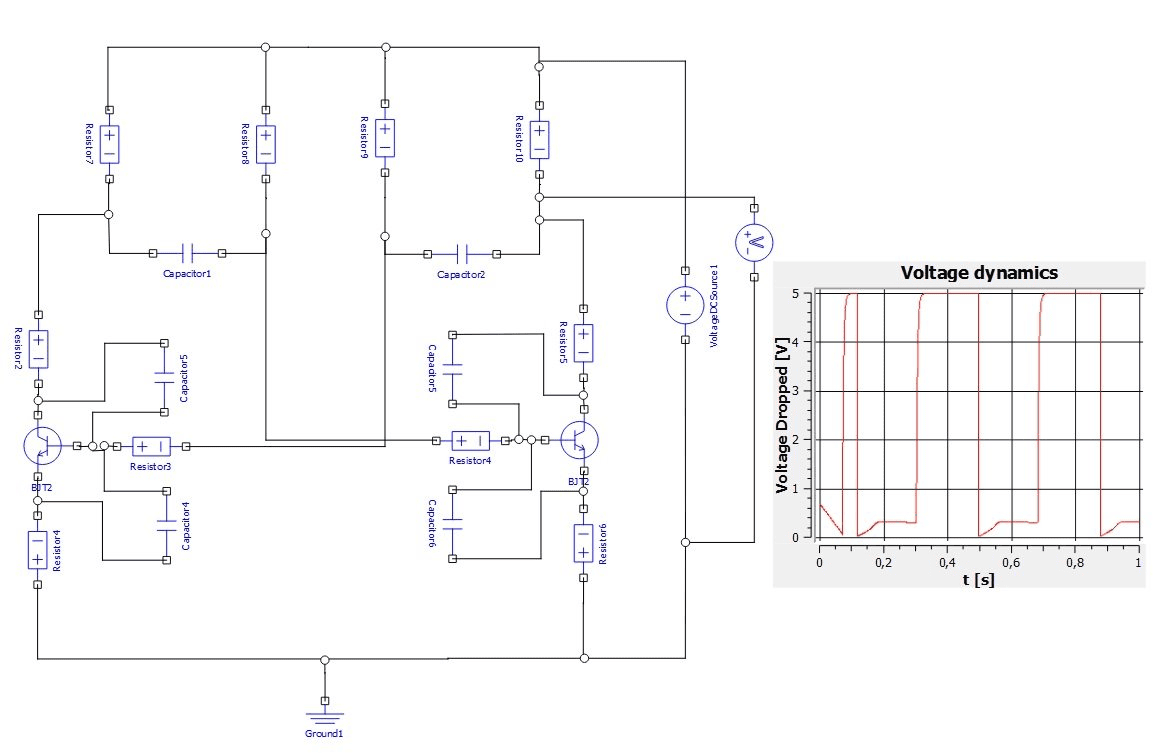
Calculation of Electrical Circuits in APM Products
ECA provides tools for generating and calculating network models of dynamic systems. The calculation of the dynamics of the system is carried out using implicit and semi-implicit schemes of various orders. Built-in subsystem generation tools allow you to create composite models that include other dynamic and electrical systems as individual elements. The program includes tools for expanding functionality by including additional elements, the functional description of which is carried out by means of the Python or Julia programming languages.
The capabilities of the program make it possible to simulate a wide range of processes and phenomena, since any system of integro-differential-algebraic equations can be correlated with a network model of a dynamical system. Such models are a natural description of control and filtration processes, oscillatory processes in mechanical systems, and information processes in communication systems.
UNIT II
Four Exmples from Text Book will be given trainingOn software listed For the program our problem will be given for self training with software to Trainee
- Machine learning
One of the most important trends in the modern design of technical systems is the inclusion of adaptive elements in the design, the law of functioning of which is determined not only (and sometimes not even so much) by the design parameters determined at the design stage, but is determined in the process of functioning of the system in a real or simulated environment based on the condition of achieving certain technical and economic indicators. Such elements include various kinds of statistical classifiers, identification systems (including neural networks), pattern recognition, etc.
The inclusion of adaptive elements in a dynamic or stationary system under development usually consists of the following steps:
- determination of the structure of the adaptive system. At present, network systems (in particular, neural networks) that sequentially, layer by layer, transform a multidimensional input value into a single- or multidimensional output value are most practically used;
- selection of the "quality criterion" of the system's functioning. At this critical stage, a criterion is established on the basis of which the values of free system parameters will be selected. Depending on the purposes of further use, such a criterion may be the standard deviation of the observed response of the adaptive system from the known target (as, for example, in the adaptive filtering problem), the average value of a certain generated value, etc.;
- training. At this stage, the system is simulated and its free parameters are determined based on the condition for achieving the established quality criterion. This procedure is computationally time-consuming and requires the use of specialized algorithms for an effective solution;
- evaluation of results. After the training procedure, a repeated simulation of the system's behavior is carried out in conditions closer to reality. Depending on the results obtained at this stage, a decision is made on the need for repeated training, or a change in the structure of the adaptive system;
- Inclusion of the trained system as a component of the main (real or simulated) system.
A Russian CAE system for computer-aided calculation and design of mechanical equipment and structures in the field of mechanical engineering, developed taking into account the latest achievements in computational mathematics, the field of numerical methods and programming, as well as theoretical and experimental engineering solutions.
A distinctive feature of APM WinMachine is the vertically integrated structure of the product layout, which allows developers to organize seamless links between calculation modules to solve complex production problems.
You can edit text on your website by double clicking on a text box on your website. Alternatively, when you select a text box a settings menu will appear. your website by double clicking on a text box on your website. Alternatively, when you select a text box
The network model can have an arbitrary depth (the depth of the network model is understood as the maximum distance from the receiver to the element of the "teacher" type). The learning algorithm is selected on the basis of the analysis of the structure of the model, the differentiability of the elements included in its structure and the established criteria for assessing the quality of the system's functioning. The user can set an element-by-element or batch training strategy, batch size, and regularization parameters.
ECA capabilities can be used to develop adaptive, including neural network control systems, continuous and discrete filters, as well as to solve the problems of identifying dynamic systems with their subsequent use as components in other models, pattern recognition, state diagnostics systems, etc. is described by means of the Python or Julia programming languages.
UNIT III
our Exmples from Text Book will be given trainingOn software listed For the program our problem will be given for self training with software to Trainee
Parametric Optimization
In the design of dynamic systems, the problem of choosing the values of design parameters at which the best functional indicators will be achieved is quite common. Traditionally, this problem is solved by sequential modeling of the system's behavior at different values of design parameters with the subsequent selection of the best of the alternatives used. Modern computing tools make it possible to automate this procedure through the use of numerical optimization methods, leaving the designer only with the responsibility to specify the criterion for assessing the quality of the system for a certain set of values of design parameters, as well as restrictions on the possible values of these parameters. Such restrictions are most often nomenclature restrictions, that is, the possibility of choice is limited to a certain set of possible combinations of parameter values known in advance, or interval restrictions, that is, the indication of a permissible range of values for each of the parameters.
It's easy to see that the parametric optimization problem has a lot in common with the machine learning problem. Indeed, if we imagine the model of a dynamic system as a kind of "black box", the input of which is a vector of values of the parameters to be optimized, and the output is the parameters of the functioning of this system to be evaluated, then such a "box" can be considered as an element of an adaptive network system. It is important to note that in this case it is quite permissible to use not only some numerical (e.g., integral) characteristics as criteria for assessing the quality of the functioning of a dynamic system, but to make a decision proceeding, for example, from the width of the spectrum of the observed output signal. In other words, such an approach makes it possible to formulate rather complex composite criteria for assessing the quality of the system's functioning.
UNIT IV
Four Exmples from Text Book will be given trainingOn software listed For the program our problem will be given for self training with software to Trainee
Parametric Optimization and Machine Learning in the APM Environment
With the use of ECA, developed by the R&D Center "APM", it is possible to perform all stages of the design of dynamic systems with trainable elements. The capabilities of the program allow you to design and train various types of neural networks, linear and nonlinear regression models and classifiers, solve clustering and data dimensionality reduction problems. An important distinguishing feature of the software product is the ability to combine models of dynamic systems and models of adaptive network systems. This allows, for example, to use the values of the dynamic characteristics of the designed system as criteria for the quality of functioning - transient time, average power generated, friction losses, etc., as well as to effectively formulate and solve the problem of parametric optimization for various subsets of the system's design parameters.
The network adaptive model is represented in the form of connected blocks (elements), each of which converts the input tensor (vector, matrix, or multidimensional array in general) value into the output value. Model elements are divided into the following categories:
- Sources are elements that do not have inputs and give values based on the established parameters.
- Sinks are elements that do not have outputs and perform actions that do not affect the functioning of the system (for example, displaying a value on a graph or in a file).
- Transforming elements that do not have free parameters and perform a given transformation of the input value into the output value (concatenation of values, calculation of distance, summation, etc.). The transformation can be both deterministic and stochastic.
- Teachable elements. They have free parameters that are adjusted during the training process to achieve the established quality criterion.
- Adaptive elements. They have an internal state that changes in accordance with their own quality criterion.
- "Teachers" are elements that assess the "quality" of the system
Physics Application Program